

Does Kampala Tap Water Cause Acne? A Dermatologist’s Take.
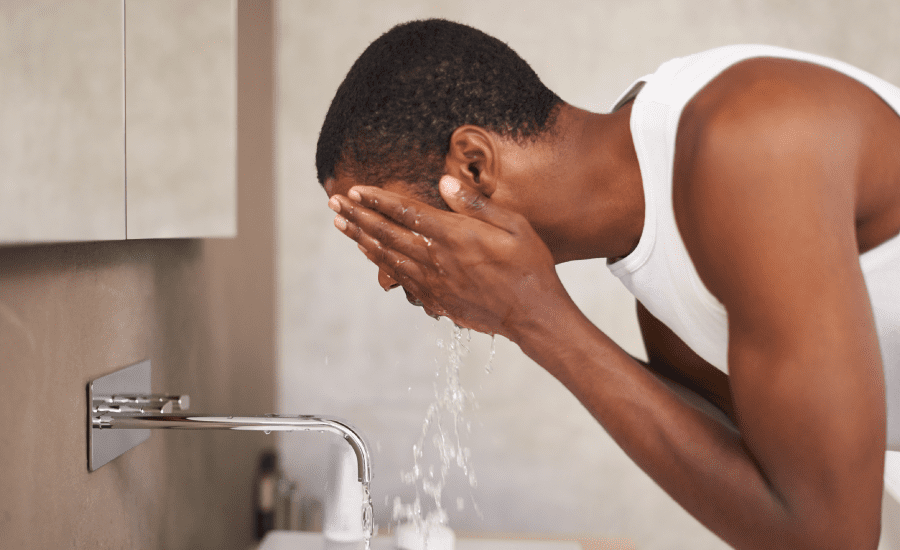
If you’ve recently moved to Kampala or noticed your skin acting up after a long shower, you aren’t alone. Many residents wonder if their tap water causes stubborn breakouts. While we often blame our diet or stress, the water we use to wash our faces plays a massive role in skin health. Let’s dive into the science of Kampala’s water and how it might be affecting your glow. The Hard Truth: Is Kampala Water “Hard”? The hard truth: Is Kampala Water “Hard”? Water is “hard” when it has high levels of dissolved minerals. This includes calcium and magnesium. In Kampala, water quality differs by neighborhood. Most of the city’s supply passes through old pipes. These pipes can add minerals and sediment to the water. From a skin care point of view, hard water doesn’t cause acne like bacteria do. But, it can trigger breakouts. When these minerals mix with your soap or cleanser, they create a “soap scum” residue. This filmy layer remains on your skin, potentially: Clogging Pores: Mineral residue can trap oil and dead skin in your follicles. Disrupting pH: Your skin is a bit acidic, but hard water tends to be alkaline. This shift weakens your skin’s natural defense system. Irritation: People with sensitive skin may find that “scratchy” mineral buildup leads to micro-inflammation. This can make existing acne appear redder and angrier. How to Boost Your Immunity Common Signs of Issues Chlorine and the “Squeaky Clean” Trap The National Water and Sewerage Corporation (NWSC) adds chlorine to disinfect our water. This helps keep it safe from waterborne diseases. While this is essential for drinking safety, your skin might not be a fan. Chlorine is a powerful oxidizing agent. When it hits your face, it strips away the sebum (natural oils) that keep your skin barrier intact. After washing, your skin may feel “squeaky clean” or tight. This means it is actually dehydrated. When your skin becomes too dry, it tries to compensate by overproducing oil. This “rebound effect” leads to even more sebum, which—you guessed it—leads to more acne. If your forehead or chin feels oily an hour after washing, chlorine might be drying your skin. Best Cleansers Found in Kampala Pharmacies If you are dealing with the effects of hard water, your choice of cleanser is your first line of defense. You need products that don’t react with minerals to create “scum.” Also, look for those that help restore the skin barrier. You can find many great options at local pharmacies or our product shop. Here are the top dermatologist-recommended picks: CeraVe Foaming Facial Cleanser: This is a gold standard for hard water. It has ceramides and niacinamide. These ingredients help repair the skin barrier that chlorine can damage. La Roche-Posay Effaclar Purifying Foaming Gel: Great for oily skin types in Kampala’s humidity. It’s soap-free and designed to remove impurities while keeping the skin’s pH balanced. Cetaphil Gentle Skin Cleanser: A classic for a reason. It is non-foaming and soap-free, meaning it won’t leave a mineral film on your face even if the water is quite hard. Simple Kind to Skin Refreshing Facial Wash: A budget-friendly and easy choice found at stores like Carrefour and Quality. It is 100% soap-free and contains no harsh chemicals that react with tap water minerals. Practical Ways to Protect Your Skin You don’t have to stop washing your face, but you might need to change how you do it. If you think Kampala’s tap water is harming your skin, try these tips from our dermatologists: The “Final Rinse” Method: Wash your face with tap water as usual. Then, for your final rinse, use a splash of filtered or bottled water. This removes the mineral residue before it dries. Install a Shower Filter: Just attach a low-cost carbon filter to your showerhead or tap. These help neutralize chlorine and trap heavy sediments. Use Micellar Water: For a truly “waterless” cleanse, use Simple Micellar Water on a cotton pad. It’s a great way to remove dirt without exposing your skin to the tap. Avoid Bar Soaps: Many bar soaps are very alkaline. They don’t mix well with hard water. Stick to the liquid, soap-free cleansers mentioned above. Conclusion Does Kampala tap water cause acne? Not directly. It can make things worse. It strips your skin’s barrier and clogs pores with mineral buildup. If you’ve used every cream at the pharmacy and your acne won’t clear, consider looking at your plumbing, not just your products. Next Steps: Switch to a soap-free cleanser like CeraVe or Cetaphil for one week. Also, use bottled water for your final rinse. Check if your skin feels less tight and looks less red. Your tap water might be the cause! Stop guessing and start glowing. Let our dermatologists identify exactly how Kampala’s water is affecting your skin and create a personalized treatment plan for you. Book a Professional Skin Analysis